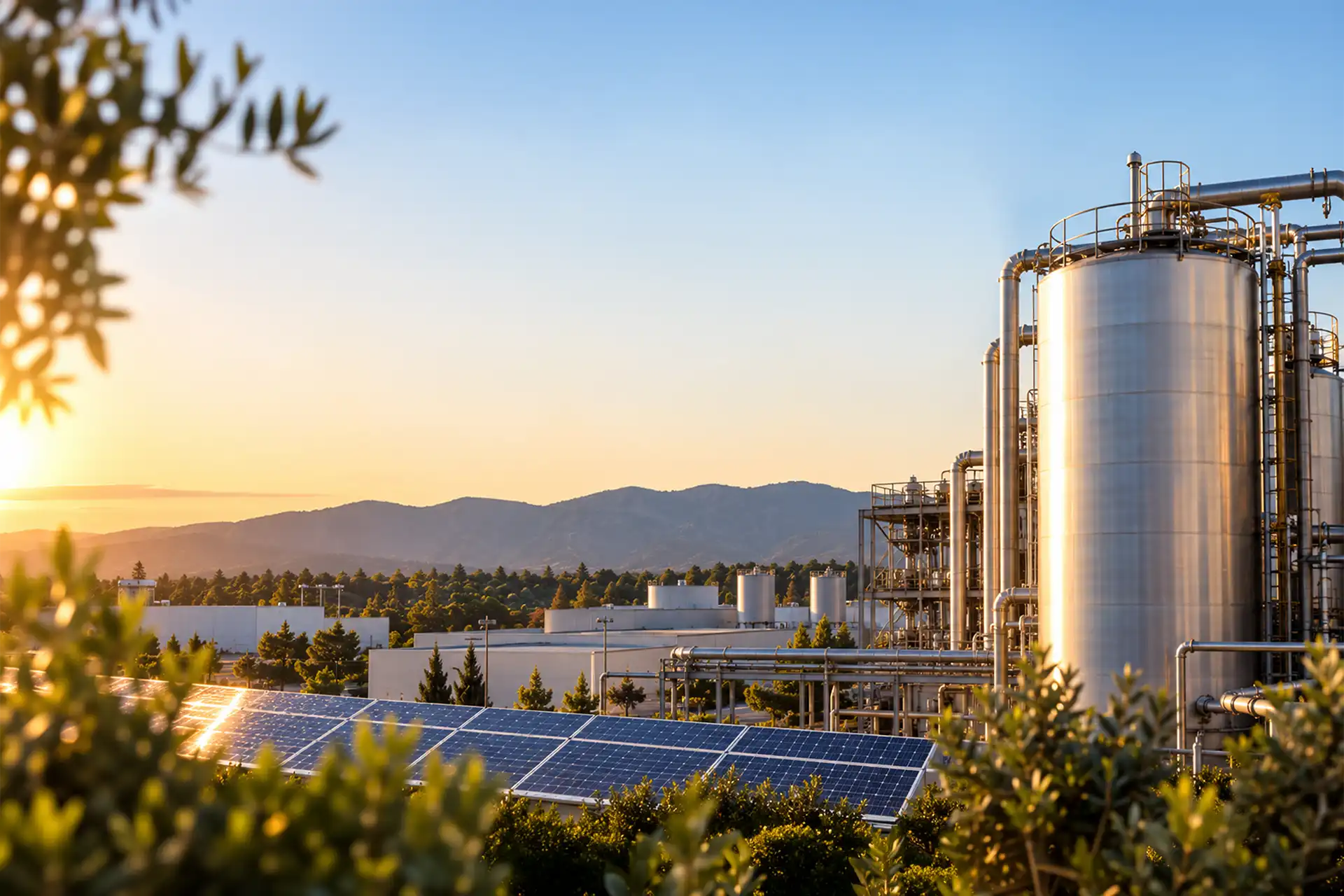


Selenis contributes to solving the world’s problem of plastic waste, by taking what would otherwise be discarded and turning it into the building-blocks of their products, used in a variety of applications, such as packaging, cosmetics, personal care, durable goods, and heat shrink sleeves.
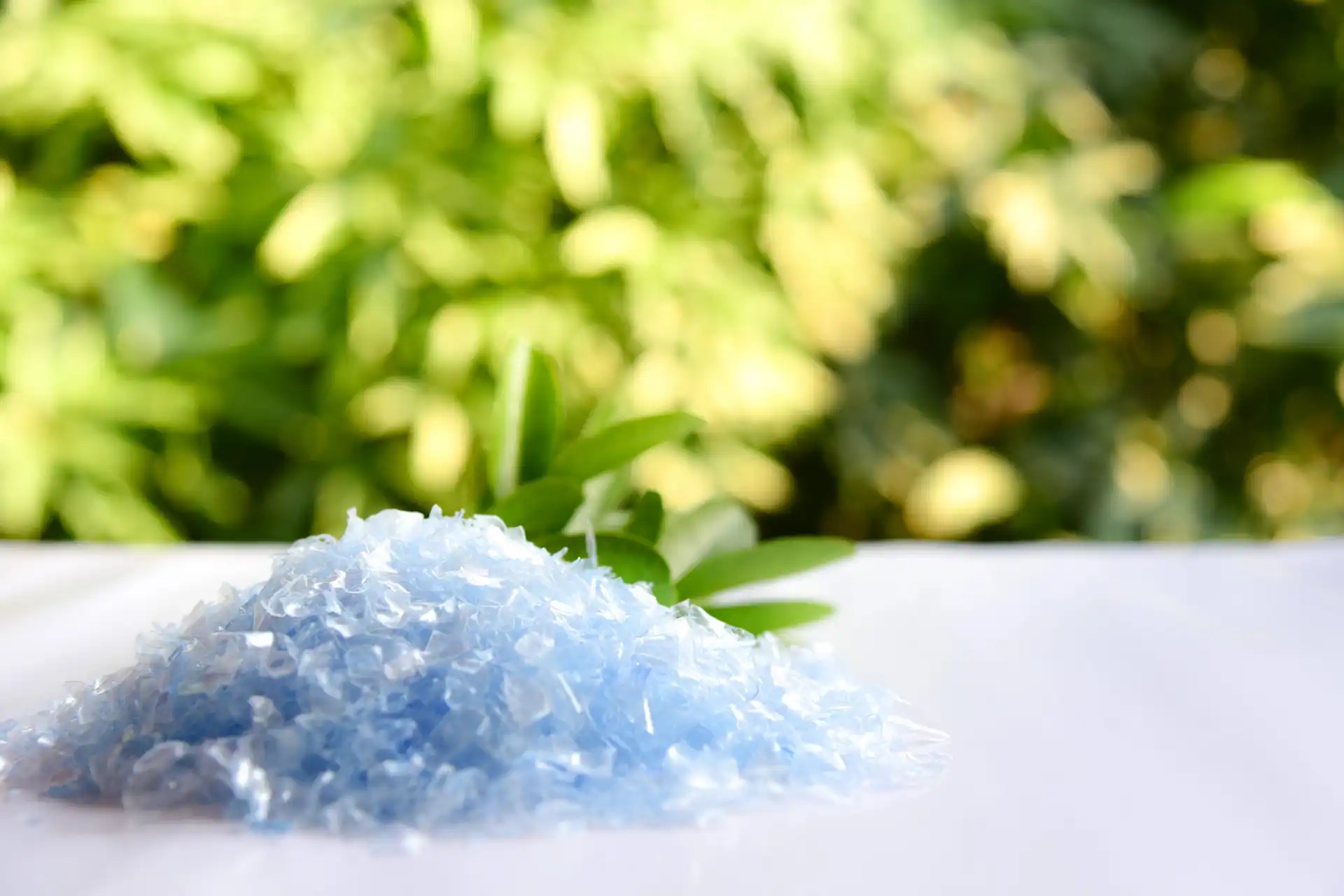
The Selenis process recovers monomers through molecular recycling. Glycolysis is used to break-up PET waste and reduce it to its polymer building blocks – called monomers. Next, they are reintroduced to the value chain as recycled polyester raw materials. What is unique about Selenis breaking-through technology is that they combine the recycled PET with virgin raw material at specific dosages, according to production throughput and desired percentage of recycled content, resulting in the production of new polyesters with high levels of PCR.
Prior to polycondensation, the co-monomers are subjected to a fine filtration process to remove impurities. During polycondensation the final IV and properties are obtained, according to product specifications and application requirements.
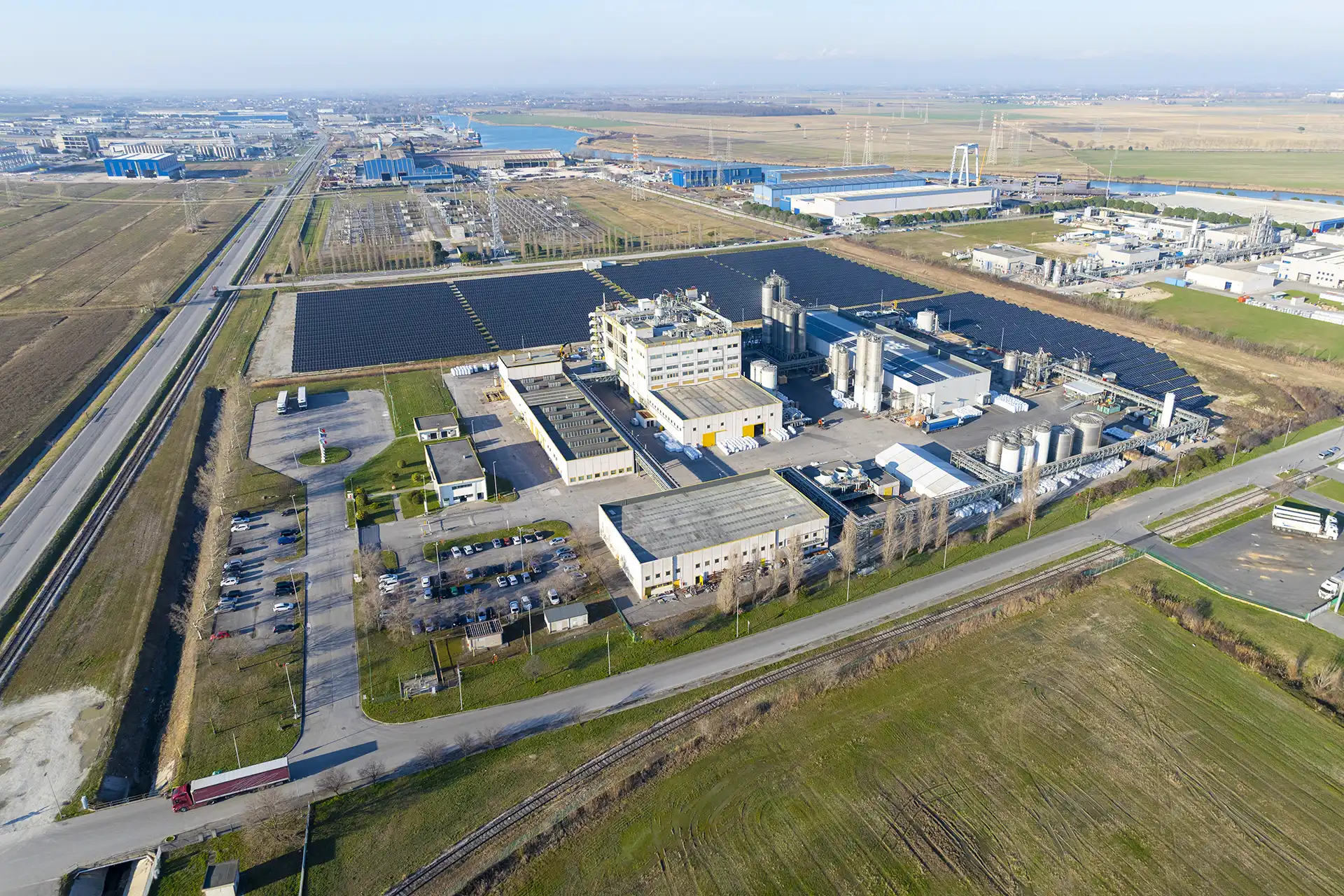
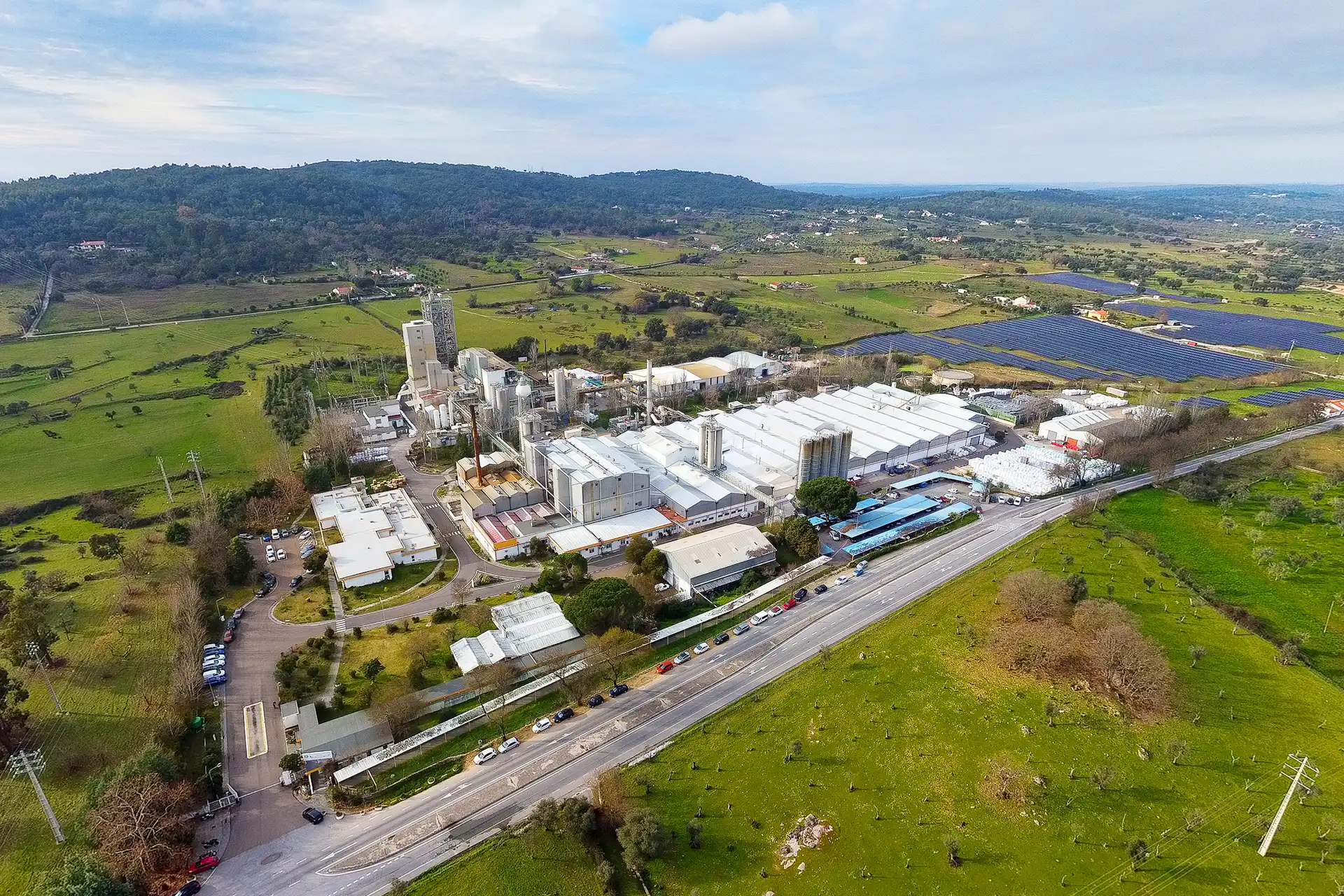
Selenis is using this technology at both their plants located in Portugal and Italy. This was made possible developing ECO products with several customers, proving its efficiency and performance. Their goal is to enable this process in all of their product lines as they foresee significant global demand as brand owners are increasingly committing to a closed loop economy supply.