

This expansion reinforces Selenis’ position as a leader in the transition towards a circular polymer economy. By integrating cutting-edge technology, the project not only boosts output but structurally improves the facility’s energy efficiency and carbon emissions profile, aligning with the global demand for sustainable materials.
Duarte Gil, CEO of Selenis, stated: "This expansion is a bold step forward. We are doubling our capacity to meet accelerating demand while ensuring we remain fully aligned with the evolving European regulatory framework. Circularity is no longer just a concept; it is our industrial reality."
The timing of this investment is critical. The new PPWR mandates that all packaging on the EU market be recyclable by 2030, introducing strict targets for recycled content and rigorous traceability requirements. Furthermore, recent updates to the Single-Use Plastics Directive have formally recognised advanced recycling and certified mass-balance approaches, including chemically recycled content, as valid pathways to meeting these targets.
While industry experts at Plastics Europe anticipate that chemical recycling capacity could double every decade starting in 2030, Selenis is moving ahead of the curve. By reaching its own doubling of recycled polyester capacity by 2027, through providing both chemically recycled PCR and ISCC+ bio-mass balance solutions that are fully compliant with current European traceability frameworks.
Carlos Paiva, Chief Operating Officer, stated “This expansion is built on a foundation of measurable environmental progress. By adopting continuous polymerisation, we are drastically reducing the energy intensity of every tonne we produce, while our shift towards electrification and reduced natural gas consumption fundamentally lowers our carbon footprint. When paired with our on-site solar farm, these strategic areas ensure that our growth remains firmly aligned with long-term global decarbonization objectives.”
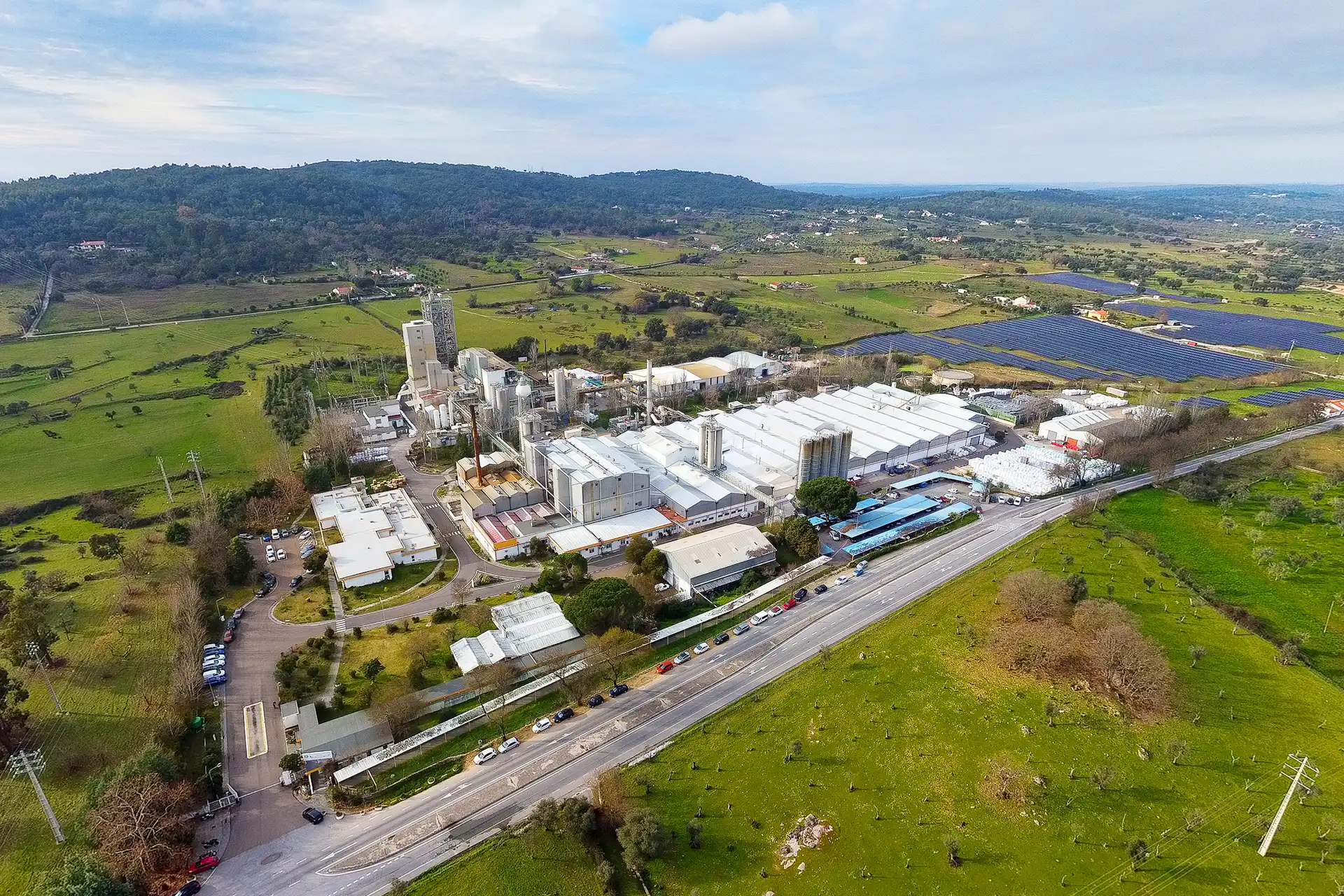
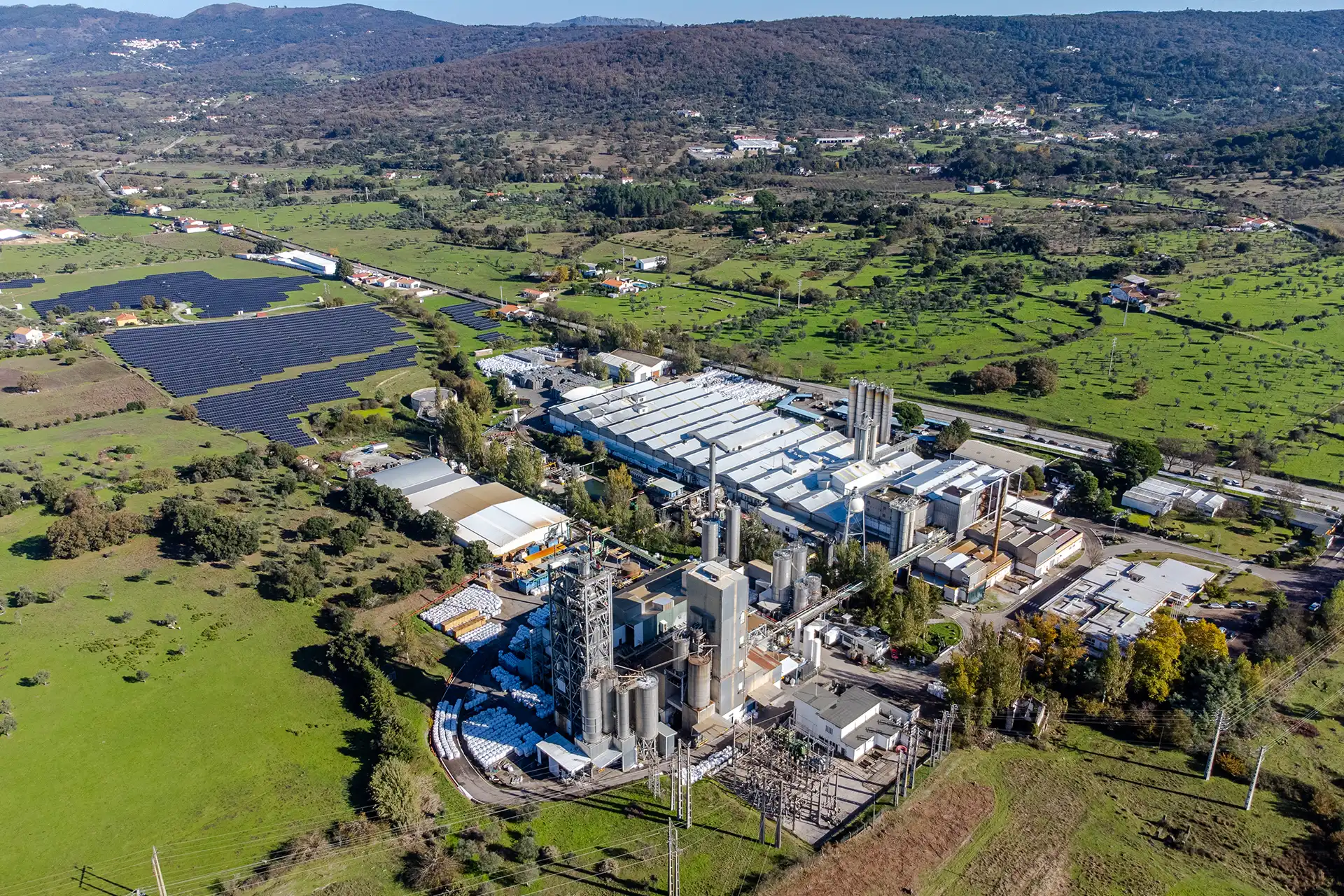
At the heart of the Portalegre expansion is the addition of a next-generation Continuous Polymerization (CP) platform alongside our established traditional batch technology. By combining both systems, we enhance flexibility and enable a continuous, highly consistent production flow that significantly optimises energy consumption per tonne of product.
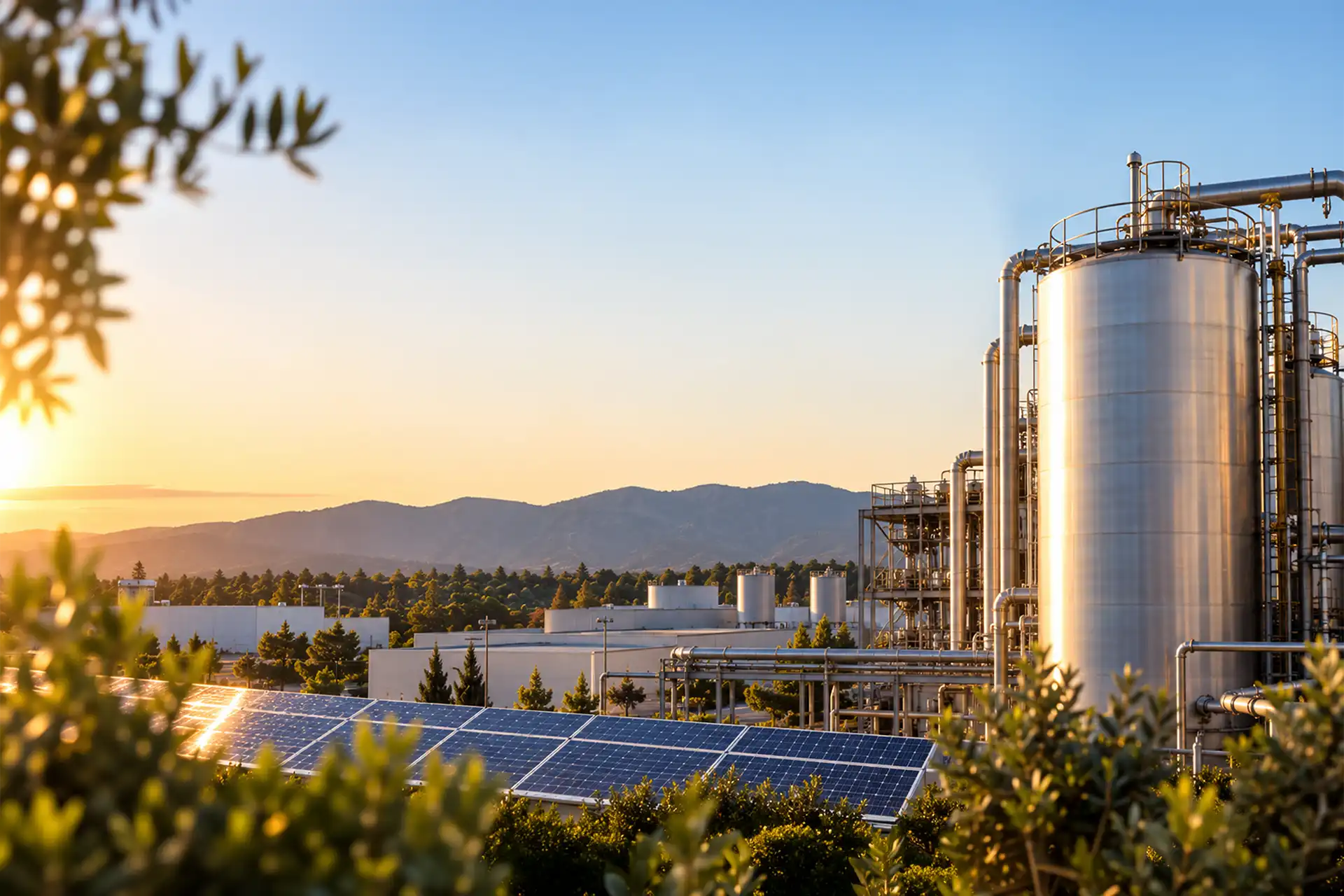
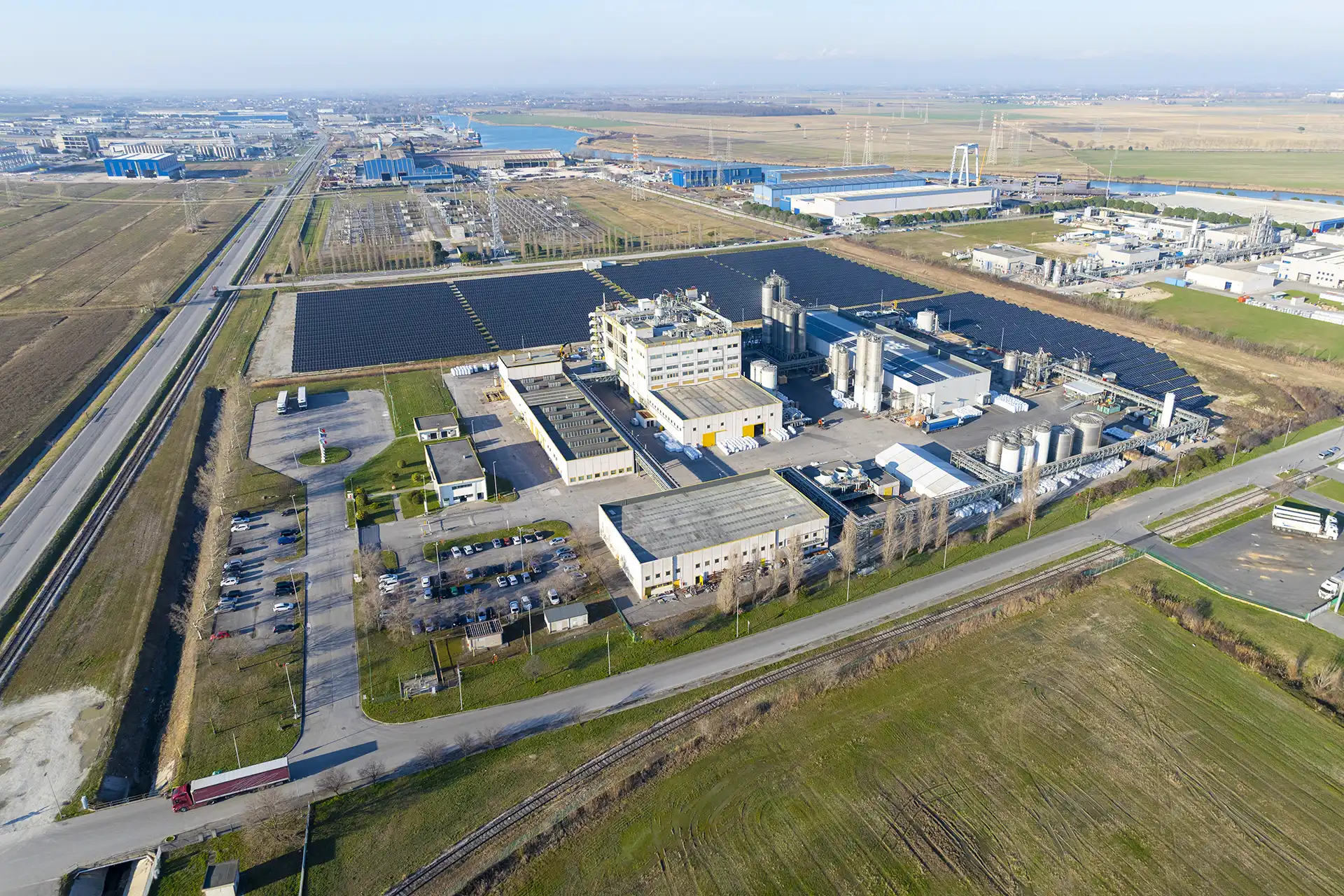
Integrated with advanced vacuum systems, the new CP line enables a structural shift in the site’s energy profile by reducing natural gas reliance and increasing electrification. A substantial portion of this electricity will be supplied by Selenis’ newly commissioned on-site solar park, ensuring that the growth in production is fuelled by renewable energy.
The additional capacity will support growing demand across food, healthcare and textile markets, providing customers with reliable access to circular and low-carbon polyesters at industrial scale.
By doubling capacity ahead of regulatory timelines and industry projections, Selenis is reinforcing its position as a first mover in advanced circular polymers, translating regulatory momentum into industrial leadership.
This expansion marks a decisive step for Selenis, setting a new benchmark for scalable, low-carbon polyester production in Europe and beyond.